2026 Ford GT
The 2026 Ford GT is a mid-engine, two-seat sports car manufactured and marketed by Ford. The 2026 Ford GT Mk IV is a full-size, track-only model that offers solid performance and is not suitable for road use, marking the end of the second generation of the supercar. Developed by Ford Performance and Multimatic, the Mustang GT hypercar features a carbon-fiber “long-tail” body with a long wheelbase to improve aerodynamics and stability.
 2026 Ford GT 40 |
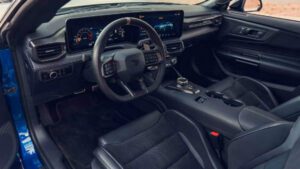 Ford GT 2026 Interior |
The Ford GT is powered by a specially designed, highly tuned 3.8-liter EcoBoost V6 engine that produces over 800 horsepower and is mated to a race-grade gearbox. Limited to just 67 hand-built units, the 2026 Mk IV uses Multimatic’s Adaptive Roller Valve (ASV) dampers to produce over 2,400 pounds of torque, offering owners a unique “concierge racing” experience designed to commemorate the 1967 Le Mans winner. The Ford GT’s main rivals include the Ferrari 296 GTB, McLaren 750S, and Lamborghini Huracán, as well as the track-focused Porsche 911 GT3 RS.
2026 Ford GT : Interior
Inside, the Ford GT dashboard reflects its dual nature as a historic icon and a marvel of modern engineering. In the first-generation models (2005-2006), the cockpit was a direct homage to the early GT40 race cars. Ford GT featured a large instrument panel with seven horizontally-aligned analog gauges and a large 8,000 rpm tachometer in the center. Retro-inspired touches included leather-wrapped Sparco seats with metal-styled buttons for the lights and wipers, and the famous aluminum air vents.
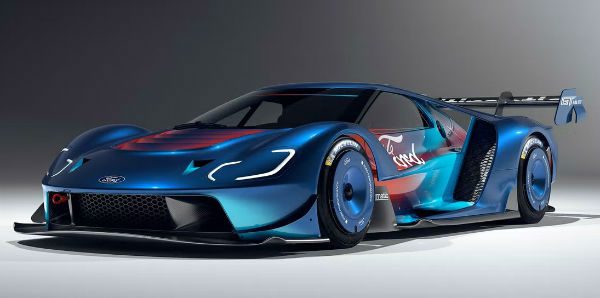
2026 Ford GT Supercar
The center console was made of brushed magnesium and featured a six-speed manual transmission, providing a smooth, mechanical link between driver and car. The second-generation interior adopted a “performance-first” racing philosophy designed to reduce weight. To keep the cabin as compact as possible for aerodynamics, carbon fiber seats were integrated directly into the passenger compartment. Because the seats did not move, drivers adjusted the pedal box and steering column to achieve a more comfortable position.
-

- Ford GT 2026 Supercar
-

- Ford Mustang GT CS 2026
-

- 2026 Ford GT 50
-

- 2026 Ford GT MK IV
-

- Ford GT 2026 Engine
The traditional instrument panel was replaced by an adjustable digital instrument panel, and nearly all of the key controls, including the drive modes and gearshift paddles, were moved to the F1-style steering wheel. This generation also introduced Ford’s Sync 3 infotainment system and a much smaller center console, emphasizing its role as a road-legal race car.
2026 Ford GT : Engine
Ford GT engine is defined by two distinct modern eras, each utilizing a power unit positioned directly in the middle of the range to achieve the performance of a large car. The first generation was powered by a 5.4-liter supercharged Modular V8 engine that produced 550 horsepower and 500 lb-ft of torque. This all-aluminum engine featured a Lysholm screw-type supercharger and a dry-sump lubrication system, allowing it to be positioned low in the chassis for an optimal center of gravity. Mated to a six-speed manual transmission, this V8 powered the car to a top speed of 205 mph and a 0-60 mph acceleration time of approximately 3.3 seconds.
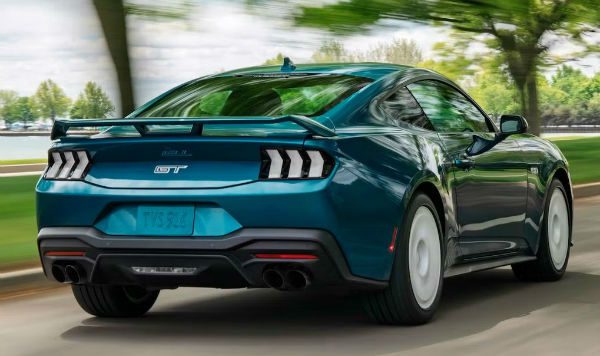
Ford GT 2026 Mustang
The 2nd-generation switched to a smaller 3.5-liter EcoBoost V6 with twin turbochargers. Originally producing 647 horsepower, this engine was upgraded to 660 horsepower for 2020. Despite having fewer cylinders, this race-bred engine used advanced anti-freeze technology and gallery-cooled pistons to deliver a wider range of torque. The Ford GT was equipped with a seven-speed dual-clutch transmission, allowing for a 0-60 mph time of just 3.0 seconds and a top speed of 216 mph.
2026 Ford GT : Safety
The Ford GT’s safety philosophy prioritizes structural integrity and essential driver assistance over the extensive electronic systems found in modern passenger cars. The GT Ford is built around a high-strength carbon fiber monocoque and an integrated steel roll cage, providing a rigid safety cell that meets FIA racing standards. While lacking advanced autonomous features such as lane-keeping assist, they feature key modern safety technologies such as electronic stability control, traction control, and carbon ceramic brakes for superior stopping power. Non-reactive safety is provided by a range of airbags, including front, side, and knee protection for both passengers. In contrast, the generation is a more analog machine, known for offering an anti-lock braking system (ABS) and dual front airbags, while the 2026 Ford GT lacks traction and stability control to provide a more unsupported and unsupported riding experience.