2026 Chevrolet Bolt
The 2026 Chevrolet Bolt is a low-cost, high-value electric crossover model based on GM’s Ultium battery technology. The 2026 Chevrolet Bolt is planned to be manufactured at GM’s Fairfax Assembly Plant in Kansas. The next-generation, front-wheel-drive hatchback will feature a refreshed, more robust aesthetic with a full-width LED light bar and is expected to be offered at a competitive price point, some estimates suggesting under $30,000.
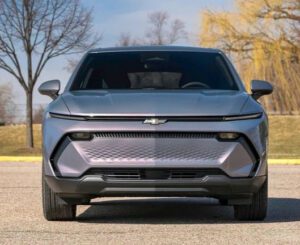 Chevrolet Bolt 2026 EV |
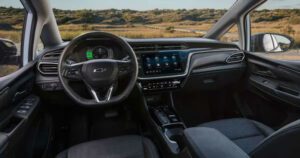 Chevrolet Bolt 2026 Interior |
Significant improvements in the 2026 Chevrolet Bolt include a substantial increase in charging speed and the addition of a native North American Charging Standard (NACS) port for easy access to Tesla Superchargers. The 2026 Bolt is designed to offer a range of 255 to 260 miles and is becoming a significant player in the affordable electric vehicle market, with a refined, technology-focused interior featuring a large, integrated screen and advanced features such as Super Cruise hands-free driving.
2026 Chevrolet Bolt : Interior
The 2026 Chevrolet Bolt (often referred to as a 2027 model year in reports, but launched in early 2026) features a significantly improved, technology-focused interior that shares the same design language as the new Equinox EV. The cabin is enhanced by a large, integrated, curved panoramic display featuring an 11-inch digital driver information center and an 11.3-inch infotainment touchscreen.
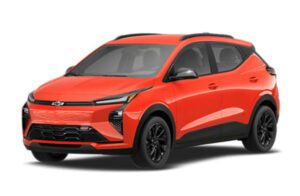 2027 Chevrolet Bolt EV Car |
 Chevrolet Bolt 2028 EV |
The interior continues to offer a refined, luxurious, and spacious feel, with high-quality, durable materials, including leather-upholstered seats. The redesigned center console offers more storage space and flexibility, particularly with larger cup holders and improved cabin storage solutions. Bold functionality and comfort are prioritized in the cabin; comfort for up to five passengers is emphasized in a spacious crossover layout.
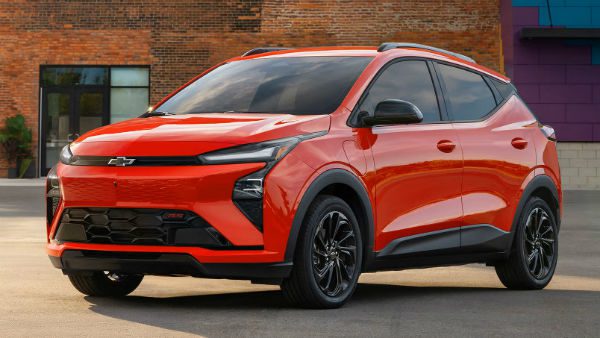
2026 Chevrolet Bolt EV SUV
Technology remains a priority with an integrated Google infotainment system, wireless device charging, and numerous USB-C ports. Enhanced options include Super Cruise hands-free driving technology and heated/ventilated seats. The redesigned cabin also features integrated heat pump technology to improve comfort in colder climates, addressing previous issues and offering a high degree of flexibility while providing ample space for everyday items.
2026 Chevrolet Bolt : Engine
The Chevrolet Bolt will also rely on GM’s Ultium battery platform, primarily using cheaper Lithium Iron Phosphate (LFP) cells to maintain a lower price point, often described as a “hard upgrade” over the previous generation EUV. This new generation front-wheel-drive system is expected to produce up to 210 horsepower and provide a range of up to 260 miles on a full charge. A significant improvement to this powertrain is the integration of 150 kW+ DC fast charging capability. This allows for charging from 10% to 80% in approximately 25 minutes, addressing a significant limitation of the original model.
-

- Chevrolet Bolt 2026 EUV

-
- Chevrolet Bolt 2026 Canada

-
- 2026 Chevrolet Bolt Range

-
- 2026 Chevrolet Bolt EV

-
- 2026 Chevrolet Bolt EV Range
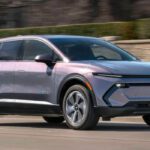
The 2027 Chevrolet Bolt uses a NACS (North American Charging Standard) port for direct access to Tesla Superchargers. The LFP battery technology, which forms the basis of the powertrain, is expected to offer greater durability and safety compared to older battery chemistries. Furthermore, the 2026 Bolt is expected to feature improved thermal management, possibly using a heat pump to maintain battery performance in cold weather, as part of a revised and more efficient electric powertrain.
2026 Chevrolet Bolt : Safety
The 2026 Chevrolet Bolt is expected to improve occupant protection by switching to GM’s advanced Ultium battery platform. The platform improves thermal stability and addresses previous fire issues with robust, modern battery management. While official NHTSA crash test results for the 2026 model have not yet been released, the vehicle is designed to feature more than 20 standard safety and driver assistance technologies, including advanced automatic emergency braking, forward collision avoidance, rear cross-traffic alert, and blind-spot monitoring. In addition, the 2026 model is expected to offer GM’s Super Cruise hands-free driving technology and bolster its safety profile with improved and more effective monitoring on both highways and in urban areas.