2027 Mitsubishi RVR
The 2027 Mitsubishi RVR is a series of vehicles produced by Japanese manufacturer Mitsubishi Motors. The 2027 Mitsubishi RVR (or 2027 Outlander Sport) is a compact SUV that combines sedan-like performance with a high ride height and ease of use. The Mitsubishi RVR features standard smartphone connectivity and optional All-Wheel Drive Control (AWC). The Mitsubishi RVR is known worldwide for its easy-to-use reliability, affordable entry-level space, and impressive ground clearance. Mitsubishi RVR is often sold under the Mitsubishi ASX or Mitsubishi Outlander Sport names.
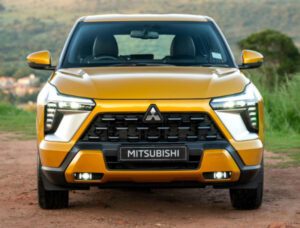 Mitsubishi RVR 2027 |
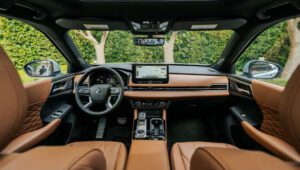 2027 Mitsubishi RVR Interior |
Instead of complex systems combined with high-tech features, the 2027 RVR opts for a traditional, long-lasting powertrain focused on reliable everyday transportation. Known for its affordable price and reliable 2.0L or 2.4L engine options, the Mitsubishi offers up to 1,402 liters of cargo space. The Mitsubishi RVR’s main competitors include the Subaru Crosstrek, Kia Seltos, Toyota Corolla Cross, Honda HR-V, Nissan Juke, and Volkswagen Taos.
2027 Mitsubishi RVR : Interior
Inside, the Mitsubishi RVR prioritizes ease of use, usability, and durability over modern comfort. The 2027 RVR cabin layout is very intuitive, with simple physical buttons and analog climate-control dials that drivers can operate without taking their eyes off the road. Front passengers enjoy high seats that offer excellent forward visibility, while the instrument panel is complemented by an 8-inch touchscreen infotainment system that is compatible with standard Apple CarPlay and Android Auto. However, since the RVR’s basic platform hasn’t changed much in over a decade, the cabin suffers from a lot of hard plastics and a lack of sound insulation, leading to a noisy and poorly-refined experience at highway speeds.
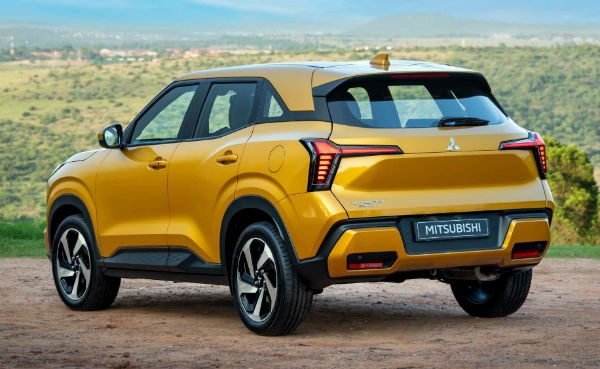
2027 Mitsubishi RVR ES
Where the Mitsubishi RVR 2027 models really shine is in their efficient use of space, which maximizes its small exterior space to provide impressive everyday usability. It can seat four adults with ample front headroom, although taller passengers may find the rear legroom and rear legroom cramped on longer trips. Storage space is a significant benefit, offering 614 litres of cargo capacity behind the second row. For carrying larger items, the rear seats, which split 60/40, fold flat to provide a massive 1,402 litres of total boot space. Higher trim levels aim to enhance the otherwise understated cabin space by adding premium features such as heated front seats, leather upholstery, a panoramic glass roof, and a high-end Rockford Fosgate or premium audio system.
2027 Mitsubishi RVR : Engine
The Mitsubishi 2027 RVR offers two naturally aspirated engine options, long proven from the MIVEC four-cylinder engine family. The base model has a 2.0-liter engine that produces 148 horsepower and 145 lb-ft of torque, providing adequate performance for city driving and everyday tasks. For drivers who want more confidence when passing and changing lanes on the highway, higher trim levels offer a more powerful 2.4-liter engine that produces 168 horsepower and 167 lb-ft of torque. Experts note that this additional 20 horsepower makes a noticeable difference in real-world acceleration without a significant loss in fuel economy compared to the smaller base engine.
 2026 Mitsubishi RVR ES AWC |
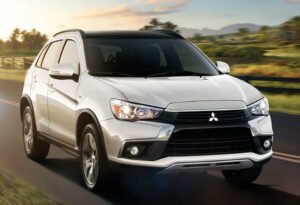 2027 Mitsubishi ES RVR |
Both powertrains transfer power entirely through a Continuously Variable Transmission (CVT). While the system focuses on smooth, shift-free operation to improve cruising efficiency, critics often find it noisy, with a loud, rumbling sound. These engines are more durable and cheaper to maintain over time because they are based on a traditional engine design rather than modern turbocharged engines. However, this older design means that the Mitsubishi RVR suffers from reduced efficiency, consuming 8.9 to 9.4 liters of fuel per 100 kilometers; this is significantly higher fuel consumption than its smaller, modern hybrid-powered rivals.
2027 Mitsubishi RVR : Safety
The Mitsubishi RVR offers a completely safe driving environment, supported by its unique Enhanced Impact Safety Evolution (Mitsubishi RISE) body structure, which effectively absorbs and dissipates energy away from the cabin during a collision. Standard equipment includes seven airbags, a rearview camera, active stability control, and a tire pressure monitoring system. However, safety ratings from major testing agencies reflect the vehicle’s aging platform. While it achieves acceptable ratings for basic structural strength, it lacks the advanced driver assistance systems found in newer competitors. Features like Forward Collision Prevention, Lane Departure Warning, Rear Cross Traffic Alert, and Blind Spot Monitoring are available, but these are generally locked at higher levels and are more expensive than if they were offered as 2027 Mitsubishi RVR standard equipment.