2027 Scion xB
The 2027 Scion xB is a compact five-door hatchback produced by Scion. The Scion xB’s popular first generation became a hit thanks to its unique, boxy design—which offered surprisingly spacious interior room—as well as a 1.5-liter engine and extensive customization options. The larger second generation featured a heavier body with rounded contours and a more powerful 2.4-liter four-cylinder engine; production ended when Scion was discontinued.
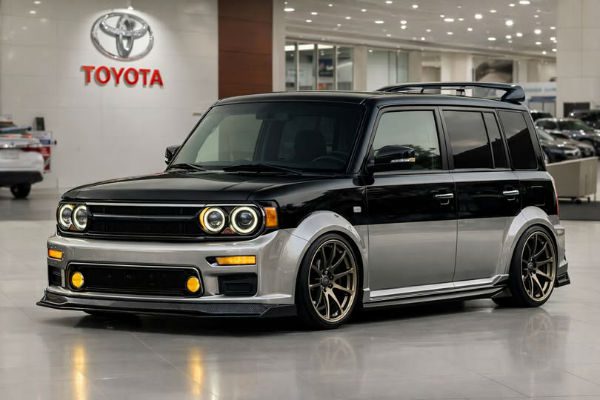
2027 Scion xB Car
During its production run, the Scion xB’s main rival was the Kia Soul; by combining a high roofline and ample cargo space with urban-friendly styling, the Soul sustained its presence in the boxy-car market and outperformed its competitors. Scion xB prices typically range from $5,000 to $11,000, depending on the model year, mileage, and overall condition, with a national average price of around $8,500.
Scion xB Interior
The Scion xB’s interior stands out for its efficient use of space and an unconventional dashboard layout that emphasizes a clean look and functionality. The instrument cluster—featuring a digital speedometer, tachometer, and fuel gauge—is positioned centrally on the dashboard rather than directly in front of the driver. This design ensures an unobstructed view behind the steering wheel. Early models featured a functional design that included simple plastic controls, an optional Pioneer audio system, and clever storage compartments built above the glovebox. In later second-generation models, features such as metallic accents, a touchscreen interface, built-in Bluetooth connectivity, and a tilt-and-telescopic steering wheel with audio controls were added.
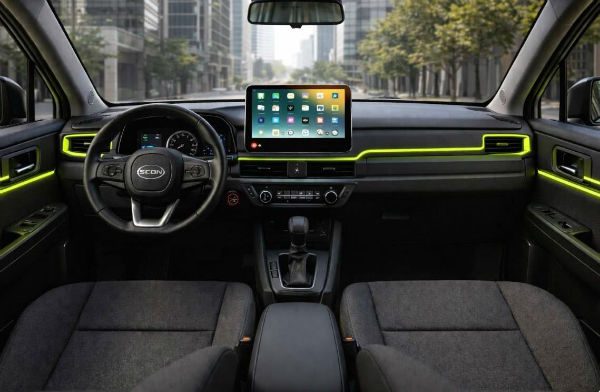
Although the vehicle lacks luxury appointments, it compensates with exceptionally spacious passenger accommodation and generous cargo capacity. Thanks to the vehicle’s boxy shape and flat side panels, front and rear passengers enjoy ample headroom and an elevated, upright seating position. The completely flat floor in the rear passenger area maximizes legroom and comfort for three adults. In terms of versatility, the 60/40 split-folding rear seats fold completely flat, transforming the rear section into a spacious cargo area of 69.9 cubic feet (approximately 1,980 liters) rivaling the cargo capacity of many compact SUVs. Scion also incorporated small, hidden storage compartments throughout the cabin, including dedicated spaces beneath the rear seats for securely storing laptops, tools, or small personal items.
Scion xB Engine
Throughout its production run, the Scion xB utilized two different four-cylinder engines, both sourced from Toyota’s reliable engine lineup. First-generation models (2004–2006) featured the highly efficient 1.5-liter 1NZ-FE engine, producing 108 horsepower; While this engine offered zippy city driving and impressive fuel economy, it struggled at high speeds. Recognizing the need for greater performance, Scion switched to the larger 2.4-litre 2AZ-FE engine—sourced from the Toyota Camry—for its second-generation models. This larger engine significantly boosted power output to 158 horsepower, delivering a marked improvement in acceleration and passing power, albeit at the cost of fuel efficiency.
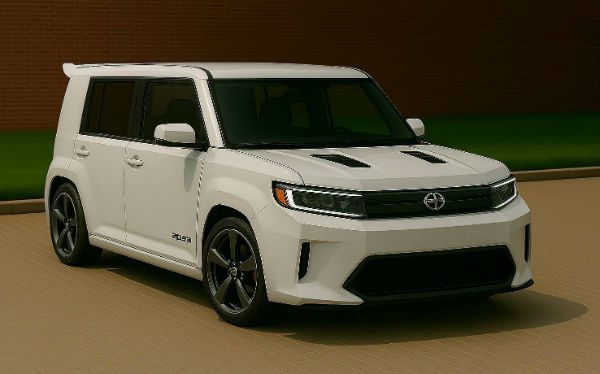
Scion xB 2027
Both engine generations prioritized long-term reliability and low maintenance costs over complex, high-performance engineering. The use of a durable timing chain instead of a rubber timing belt eliminated common maintenance expenses, and the engines were paired with either a 5-speed manual or a traditional 4-speed automatic transmission. Since these engines were shared with high-volume Toyota vehicles like the Echo, Prius, Camry, and RAV4, spare parts are inexpensive and easily available online. This robust mechanical design allowed many Scion xB models to easily exceed 200,000 miles (approximately 320,000 kilometers) with nothing more than routine fluid and spark plug changes.
Scion xB Safety
The 2027 Scion xB evolved from the basic safety equipment of its first generation to a much more robust configuration that earned a “Top Safety Pick” rating from the Insurance Institute for Highway Safety (IIHS). Later models came standard with the Toyota Star Safety System, which included electronic stability control, traction control, and an anti-lock braking system (ABS) with brake assist. Additionally, the vehicle was equipped with a total of six airbags—including dual front airbags, front-seat-mounted side airbags, and side curtain airbags—which worked in tandem with the vehicle’s high-strength steel body structure to provide excellent side-impact protection for both rows of seats.