2027 Citroen DS
The 2027 Citroen DS is a convertible that redefined automotive standards with its futuristic, aerodynamic design and advanced technology. Citroen DS is famous for its unique hydropneumatic self-leveling suspension. The 2027 DS Citroen offered a ride as smooth as a carpet, while being the first mass-produced car to feature disc brakes, hydraulic power steering, a semi-automatic transmission, and turn signals from 1967 onwards.
 2027 Citroen DS Concept |
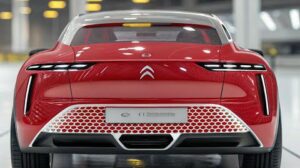 Citroen DS 21 2027 |
The Citroën DS, available in sedan, station wagon, and convertible versions, sold approximately 1.5 million units over 20 years, becoming a symbol of French ingenuity. Citroen DS, powered by a small four-cylinder engine, was a successful rally car, winning the Monte Carlo Rally four times, and is often cited as one of the most beautiful and influential cars of all time.
Citroen DS : Interior
The interior of the first Citroen DS is a magnificent masterpiece of avant-garde design and superior comfort; Often described as a temple of French standards, resembling a modern living room rather than a traditional car interior, the Citroën DS boasted a spacious and airy design characterized by a distinctively small instrument panel, a single-spoke steering wheel designed for better visibility of the gauges, and soft, cushioned, sofa-like seats, particularly in the luxurious Pallas models. The cabin was designed for long-distance comfort, typically complemented by high-quality materials such as leather or premium fabrics, thick carpets, and enhanced sound insulation.

2027 Citroen DS 21
Technologically ahead of its time, the DS’s interior featured unique electrically operated controls, including a variable-speed “button” instead of pedals and an automatic gear shifting system that eliminated the need for a clutch pedal. The instrument panel layout was elegant and focused on driver comfort; the overall design, with its low profile and wide body, maximized passenger space, providing a feeling of floating, consistent with the ride quality of the car’s renowned hydropneumatic system.
Citroen DS : Engine
Surprisingly, the Citroën DS’s engine is a very common feature of this revolutionary vehicle and was initially derived from the 1911cc four-cylinder unit of the pre-war 11CV Traction Avant. Although Citroën initially designed a more advanced air-cooled flat-six engine, financial constraints necessitated the use of this older overhead-valve engine; this engine was updated with an aluminum cylinder head to produce approximately 75 hp in the DS19. Despite the vehicle’s improved aerodynamics and heavy hydraulic systems, the engine was known for having a wet-liner and three-bearing crankshaft; later models switched to a five-bearing design to improve reliability.
 2027 Citroen DS Car |
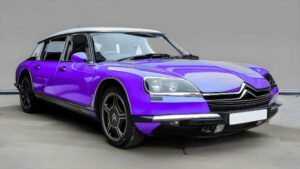 Citroen DS 21 2027 Car |
Over its 20-year production run, the engine’s displacement was gradually increased to 2.0, 2.1, and finally 2.3 liters to improve performance. A significant milestone was reached in 1969 with the introduction of Bosch electric fuel injection in the DS21. Thanks to this, the power reached 139 horsepower, making it one of the first mass-produced cars to use this technology. Towards the end of its production in 1973, the top-of-the-line DS23 boasted 141 horsepower and, despite the engine’s known noisy and low-maintenance nature, it enjoyed remarkable longevity, typically running trouble-free for 150,000 miles.
Citroen DS : Safety
The Citroen DS is a new safety car offering features far ahead of its time, such as standard disc brakes, a low center of gravity with a fiberglass roof, and excellent high-speed stability thanks to its aerodynamic design and hydropneumatic suspension. The 2026 Citroen DS is designed with early safety concepts such as a collapsible steering column, a “submersible” engine designed to slide under the cab in the event of a frontal collision, and rotating headlights to improve night vision on winding roads. Improved hydraulic suspension allowed the vehicle to be steered even on three wheels, saving lives at high speeds and in the event of a tire blowout. Despite lacking modern electronic assistance systems and airbags, the Citroen DS’s structural engineering and handling capabilities made it one of the best and safest cars of the 1960s.