2027 Citroen 2CV
The 2027 Citroen 2CV is expected to return as a low-cost and affordable electric vehicle (EV). The Citroen 2CV electric is projected to launch at a specific price point within two years, starting in early 2027. Citroen 2CV 2027 is expected to feature a bright, wide-screen digital touchscreen integrated as part of the instrument panel and utilize the latest Citroen UX interface with features such as voice control, navigation, and smartphone connectivity. The driver’s instrument panel will include vintage-style digital buttons, often mimicking the classic analog gauges of the original 2CV, but with clear and futuristic graphics.
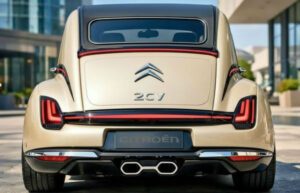 Citroen 2027 2CV |
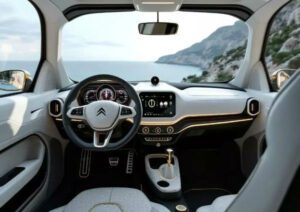 Citroen 2CV Sport 2027 Interior |
Citroen 2CV concepts suggest padded leather seats and polished, high-quality, durable materials. Other design features include vintage-style stitching and LED ambient lighting to enhance the cabin ambiance. To maintain the original “Spartan” aesthetic, most physical buttons will be replaced by touch controls on the low-profile sports steering wheel or central display. 2026 Citroen 2CV key feature often retained is the fully retractable soft top, which can be upgraded with modern electric systems for effortless driving.
Citroen 2CV : Interior
Inside, the Citroën 2CV interior is a classic example of practical minimalism, with a simple instrument panel and basic controls designed for maximum affordability. Its most striking feature is the “umbrella lever” gearshift lever, which slides and rotates in the center of the instrument panel to engage the four-speed manual transmission. Gauges are few and far between, generally consisting of a small speedometer and fuel gauge, while climate control is limited to a manually operated vent flap under the windscreen that can be opened with a simple button to provide fresh air.
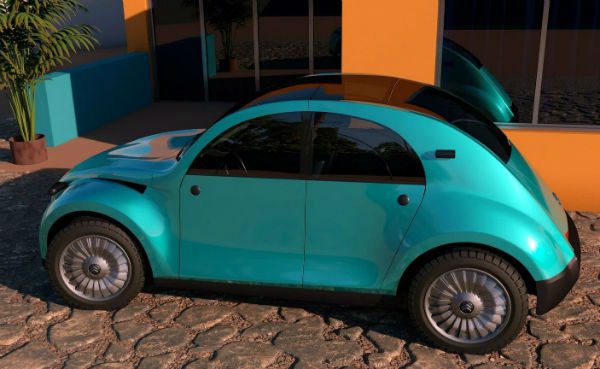
Citroen 2CV World Meeting 2027
Equally unique are the simple “hammock-style” seats, made of fabric or plastic padding stretched over a tubular steel frame. These seats are designed to be completely removable, allowing owners to use them as picnic chairs or remove the cab to transport large agricultural equipment. To save weight and cost, the vehicle lacks the usual swivel windows; Instead, the lower part of the side window folds upwards to provide ventilation.
Citroen 2CV : Engine
The Citroën 2CV’s engine is a simple yet robust feat of engineering: an air-cooled, flat-twin (boxer) engine that remained virtually unchanged throughout its 42-year production run. Designed with minimal moving parts to ensure reliability and ease of maintenance, it is notable for the absence of a water pump, radiator, or thermostat; instead, it uses a large fan connected to the crankshaft to direct air over forged aluminum cylinders. This design focus meant the engine was very robust and could withstand prolonged high-speed operation, often lasting longer than many modern engines of the era.
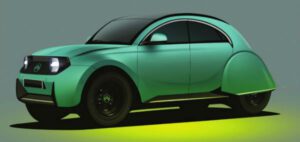 2027 Citroen 2CV Sport |
 Citroen 2CV 2027 Car |
Initially introduced in 1948 with a small 375cc engine producing just 9 horsepower, the car’s power was increased over the years to improve performance. Later models used 425cc, 435cc, and finally the ever-popular 602cc engine. This engine could produce up to 33 horsepower and reach speeds of approximately 114 km/h. The engine was always paired with a powerful four-speed transmission, a feature considered an improvement for an inexpensive car at the time. For more off-road capabilities, a rare “Sahara” 4×4 version was produced, equipped with a second engine at the rear, independently powering all four wheels.
Citroen 2CV : Safety
The 2027 Citroën 2CV lacked modern safety features such as airbags or ABS, but it boasted an incredibly advanced structural safety design for its time; often described by owners as a protective “umbrella.” Its lightweight chassis was designed with curved front sections that curved upwards to absorb force in a frontal collision and prevent the engine from entering the cab. Handling was improved thanks to internally mounted front brakes, which reduced unsprung weight, and Citroen 2CV’s functional safety was greatly enhanced with a separate, linked suspension system that made it more difficult to roll over when cornering at high speeds.