2026 Nissan GT-R
The 2026 Nissan GT-R is a high-performance sports car by Nissan Motor. The 2026 Nissan GT-R is powered by a twin-turbocharged V6 engine and advanced all-wheel drive. The production of the long-running R35 generation Nissan GT-R recently ceased, and it’s widely rumored that future versions will be tested with a hybrid or next-generation electric powertrain. Modified Nissan GT-R models feature aggressive wide body kits, lowered static or air suspension, and custom wheels with deep rims.
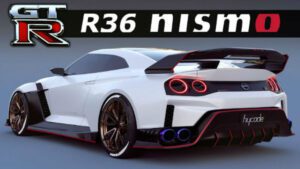 2026 Nissan GTR 36 Nismo |
 2026 Nissan GTR Nismo Interior |
The popular styling options for the Nissan GT-R include Liberty Walk kits, Pandem Rocket Bunny setups, and track-focused negative camber settings. Edmunds’ 2024 Nissan GT-R Overview shows starting prices for the premium model at $121,090, going up to $221,090 for the NISMO model. The Nissan GT-R’s main competitors are the Porsche 911 Turbo, Mercedes-AMG GT, and Chevrolet Corvette Z06.
2026 Nissan GT-R : Interior
Inside, the Nissan GT-R’s interior features a driver-focused, performance-oriented cabin that prioritizes functionality over modern digital displays. The driver sits behind a prominent central analog tachometer paired with digital gear indicators, reflecting the design of a race car. The center console emphasizes the car’s form with three touch controls for adjusting the suspension, transmission, and traction control. The 8-inch NissanConnect touchscreen mounted above provides detailed telemetry data, such as fuel consumption and lap times, developed by the creators of the Gran Turismo video game.
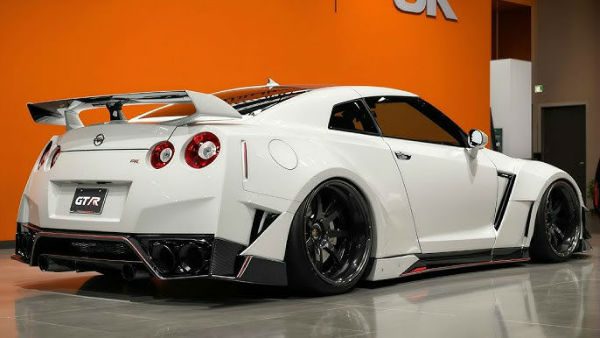
2026 Nissan GTR36
The Nissan GT-R‘s cabin has a 2+2 seating configuration and offers highly supportive, leather-wrapped front sports seats designed to hold passengers firmly in place when standing under high G-forces. The upper trim features semi-aniline leather and hand-stitched carbon fiber details, while some hard plastic surfaces are present, making it feel less flashy than its more exotic European rivals. The overly supportive rear seats offer little legroom and are best used as additional storage space for luggage. For a high-performance grand tourer, the car remains very functional, with features like dual-zone climate control, heated front seats, and a surprisingly deep trunk.
2026 Nissan GT-R : Engine
The heart of the Nissan GT-R is its renowned hand-built 3.8-liter V6 engine, internally codenamed VR38DETT. Each unit is meticulously manufactured from start to finish by a single specialist known as Takumi in a dedicated cleanroom at Nissan’s Yokohama factory. Upon completion, the manufacturer mounts a custom-made aluminum plate directly onto the block. To increase efficiency and reduce weight, the engine uses new plasma-injected cylinder liners in the cylinder block instead of traditional heavy-duty steel liners. This advanced engineering approach reduces friction and increases thermal efficiency, while dual overhead camshafts and a dedicated wet-sump lubrication system ensure reliable oil pressure under high G-forces.
-

- Nissan GR-R 2026 Supercar
-

- Nissan GTR 2026 Australia
-

- Nissan GTR 2026 Philippines
-

- Nissan GTR 2026 India
-

- Nissan GTR 2026 Pakistan
Throughout its production life, consistently factory-tuned settings have steadily increased the engine’s power to higher levels. Standard models produce an impressive 565 horsepower and 467 pound-feet of torque, while track-focused NISMO models utilize turbochargers upgraded from Nissan’s GT3 racing system to produce a massive 600 horsepower. This immense power is transmitted via a six-speed rear-mounted dual-clutch transmission and the advanced ATTESA E-TS all-wheel-drive system, resulting in 0-60 mph acceleration times under three seconds. The engine’s distinctive, steely exhaust sound is provided by a lightweight, hand-welded titanium exhaust system with active valves to manage sound levels. This robust mechanical design has made the VR38DETT a favorite in automotive circles, renowned for its high-revving power and reliability under the intense stresses of the track.
2026 Nissan GT-R : Safety
The Nissan GT-R doesn’t achieve safety with modern digital driver assistance systems, but with solid structural engineering and advanced traction systems. The core safety infrastructure is built around the high-performance ATTESA E-TS all-wheel drive system and advanced Vehicle Dynamic Control (VDC-R), which controls torque distribution and brake pressure to maintain stability at high speeds. The GT-R is equipped with an automatic suspension system, a six-airbag system, a zone body with crumple zone areas at the front and rear, and a brake system that prevents the crash from occurring. Nissan is focused on a hands-on, automated driving experience; the Nissan GT-R lacks modern safety features such as automatic emergency braking, lane-keeping assist, or blind-spot monitoring.